Athenæum – Univ. of Texas, Dallas Texas
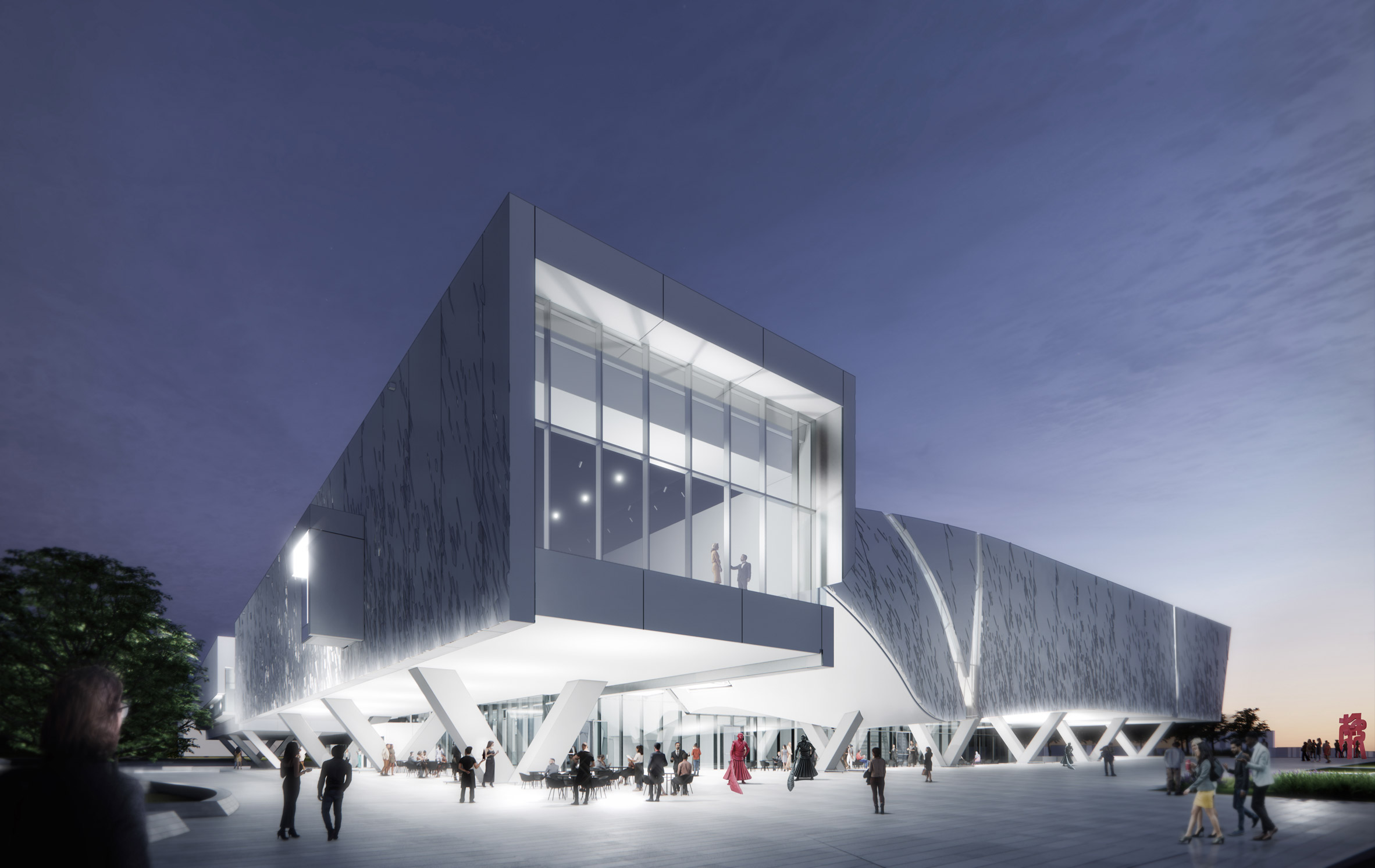

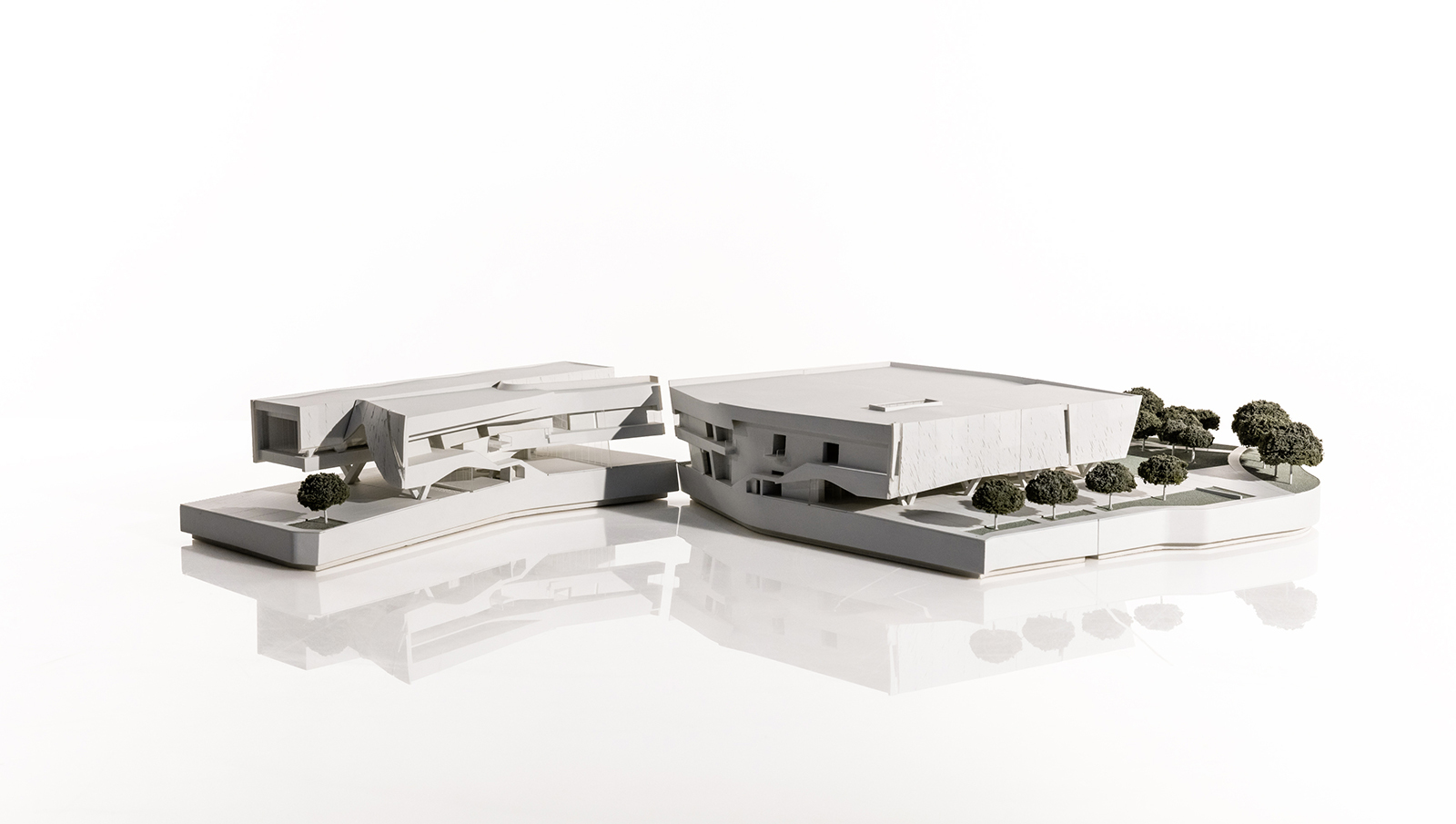
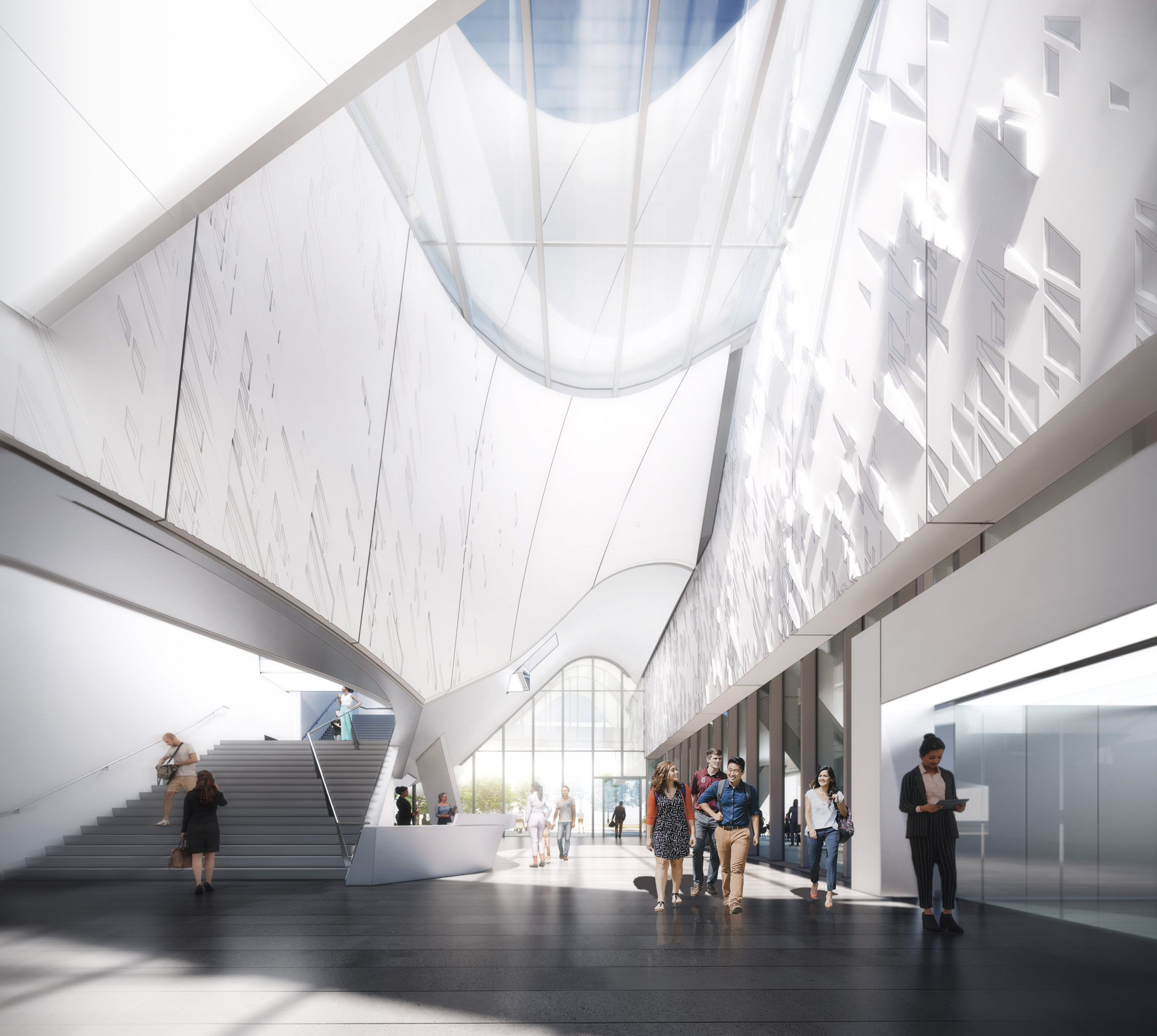
Building: Athenæum, UT Dallas Arts and Performance Center
Location: Richardson, TX, USA
Client: The University of Texas at Dallas
Completed: To be completed in 2025
Cost: Phase 1: $10,337,851
Area: 56,600 ft² / 5,258 m²
Parking Structure: 1,100 cars
Construction: 2021-2024
Structural Engineer: Datum Engineers
Design Partner: Arne Emerson
Project Architect: Carolyn Ng (Morphosis)
Project Designer: Daniel Pruske
Local Consulting Architect: GFF
Landscape Architect: Talley Associates
Civil Engineer: Pacheco Koch Design
MEP Engineer: Buro Happold
MEP Engineer of Record: Campos Engineering
AE Interests: The museums and performing arts hall are approached as volumes “carved” out of an overall two-story mass, with sympathetic forms and outdoor spaces opened up between the structures. The buildings are clad in intricate, striated facades of light-colored precast concrete, with large lobbies and glazed atriums linking interiors to the activity of the plaza and inviting visitors in. Thematic gardens offer more peaceful outdoor spaces in contrast with the liveliness of the central plaza. Overall, the design of the O’Donnel Athenæum is meant to create a sense of holistic identity for the arts district, making it a new public-facing presence for the University at the major southern gateway to the campus.
[Essay]
Burj Al-Arab – Dubai, UAE


Building: Burj Al-Arab
Location: Jumeirah Beach Road, Dubai, UAE
Client: Sheikh Mohammed bin Rashid al Maktoum
Started: 1994
Completed: 1999
Area: 111,500 m2 (1,200,000 ft2)
Height: 321 m (1,050 ft)
Cost: $1 Billion (US Dollars)
Architect: Tom Wright
Supporting Architect: W.S. Atkins & Partners
Structural Engineer: W.S. Atkins & Partners
MEP: DSE Engineering Group
Developer: Jumeirah Group
AE Interests: The whole building is made on an artificial island which took three years to develop. The builders drove 230 40-metre-long (130 ft) concrete piles into the sand by drilling method. Among many luxuries, it also has one of Dubai’s highest helipads. Additionally, it used to have the worlds largest atrium at 180 m. The hotel was specially designed there to avoid covering the beach with its shadow. Additionally, the shape of the structure is designed to resemble dhow‘s (a traditional Arabic ship) sail to reflect Dubai′s seafaring heritage combined with a modern aspect moving forwards into the future.
*Revised by Zahra Bhora on September 2, 2009

 AEWORLDMAP.COM (3,300+ posts)
leave a comment